
Stories

Graveyard of the Atlantic
It’s the secret dream of a certain kind of man to have his face on a series of billboards along Highway 17 heading towards the sea, and in the case of Paradise Dave–the current one, not the original–each billboard is a big, flat lie about the color and size of his teeth. The real Paradise Dave, the father, was just as much of a son-of-a-bitch as his own son, but he had strong, bright teeth at least and would look you in the eye when he screwed you over.

Perchance
Beyond the Shinkansen window, lush green mountains and a vast ocean glisten under the blazing sun, rolling by like fast-forwarded scenes. The LED panel above the compartment door repeatedly displays “Next stop Atami, Atami” as the recorded announcement urges passengers to prepare to disembark. All at once, the bustle of vacationers gathering their boogie boards, beach toy bags, and fishing poles fills the late Friday afternoon train. When Itsuki stands up to grab his duffel bag from the overhead rack, the train suddenly decelerates, knocking him off balance, then stops with a soft hiss. His bag, packed the night before by Misa, slides forward and bumps into a carry-on with a lucky-bell charm.

Good Things Take Time
Larry Sheckler walked out of the funeral home carrying the urn that held his sister’s ashes. It was an awkward receptacle—a little too big to palm with one hand, but small enough that using both felt uncomfortable. Like when stairs are the wrong height and you can’t decide whether to take them two at a time or one. He was the last living Sheckler in Covington. At least that he knew of. Both his parents were gone, and now his sister. Neither he nor she had any children. No uncles or aunts. No cousins. Not even any pets. Just Larry. All alone.
The Heckler
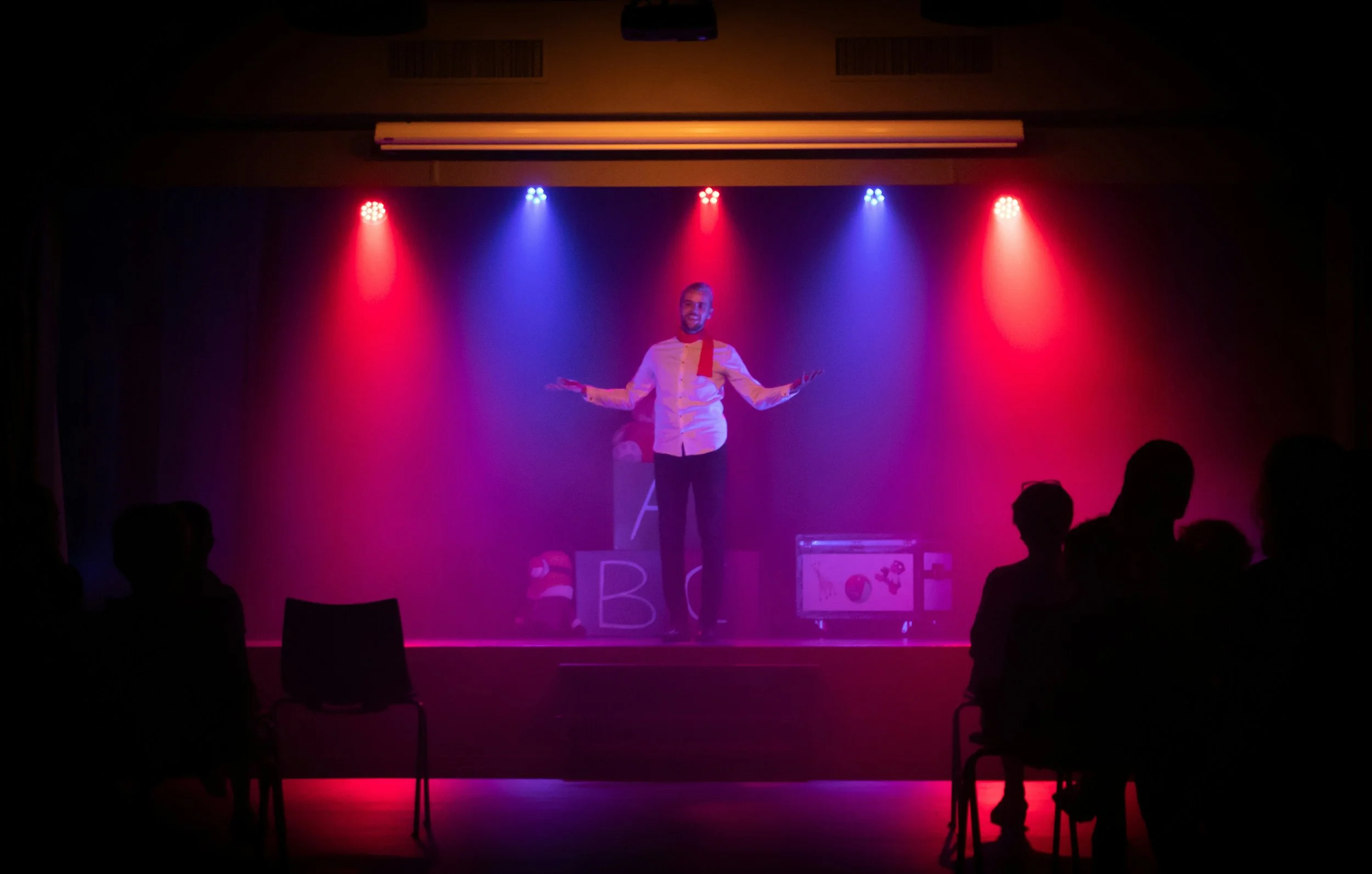
Abby believes it's funny to pratfall while pregnant. Holding a glass of Coke in maternity jeans, she moves into the living room. She walks only a few steps before she yells, “GRENADE!” and hurls herself onto the floor. She thinks it's funny to do this, and I grit my teeth every time. The couch plays an integral part as it blocks my view of the pillows she has placed on the ground. The rug is stained and hardened from liters of corn syrup. If I tell her to stop the slapstick routine, she’ll cry and I can’t listen to a pregnant lady cry anymore this year.
Bloom
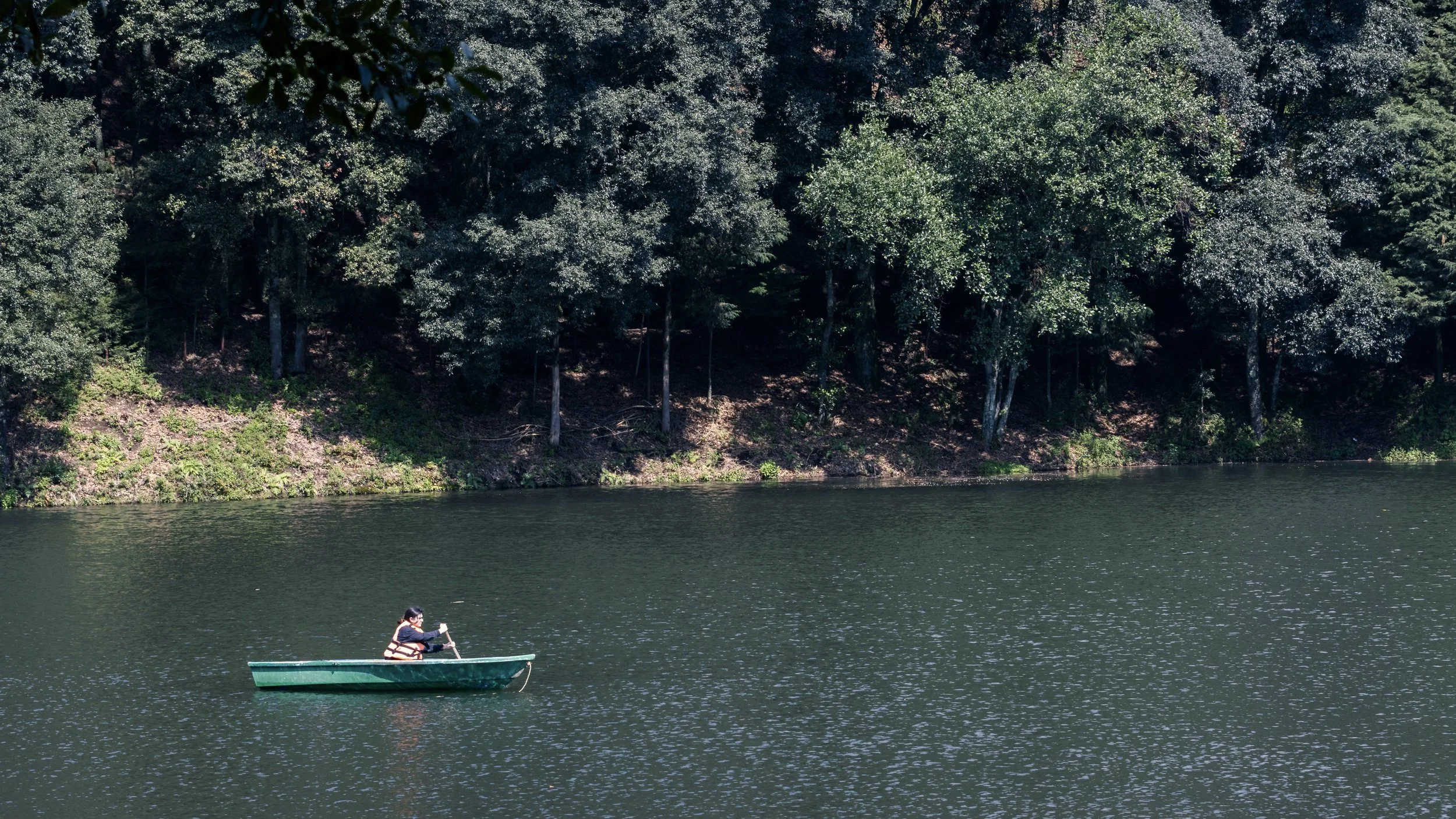
Irene hadn’t heard the lifeguard shouting from the shore. She liked to turn her hearing aids off when she could, reveling in the artificial silence of the lake in summer. If she were alone, the way she’d be in the off-season, without all the tourists shouting and guffawing, scaring away the wildlife, she’d keep them turned up high enough to hear the bright per-chick-o-ree of the Goldfinch or maybe, if she were lucky, the tea-kettle, tea-kettle, tea-kettle tea of the Carolina Wren. But in the peak season, she’d have to contend with the crowds and the watchful eye of the lifeguard in order to get her morning exercise.

Cappuccinos & Crime
As Tom walked into the coffee shop that the “Villains Only” dating app suggested, he spotted the hammer-striking-the-globe symbol of the International Villains League by the door. The front waiting area was small, cramped, and as uninviting as possible. Tom knew this helped to keep the civilians away. The IVL would also seed Yelp and Google Maps with terrible reviews to make sure no one that wasn’t in the league would show up.
Ghost Town
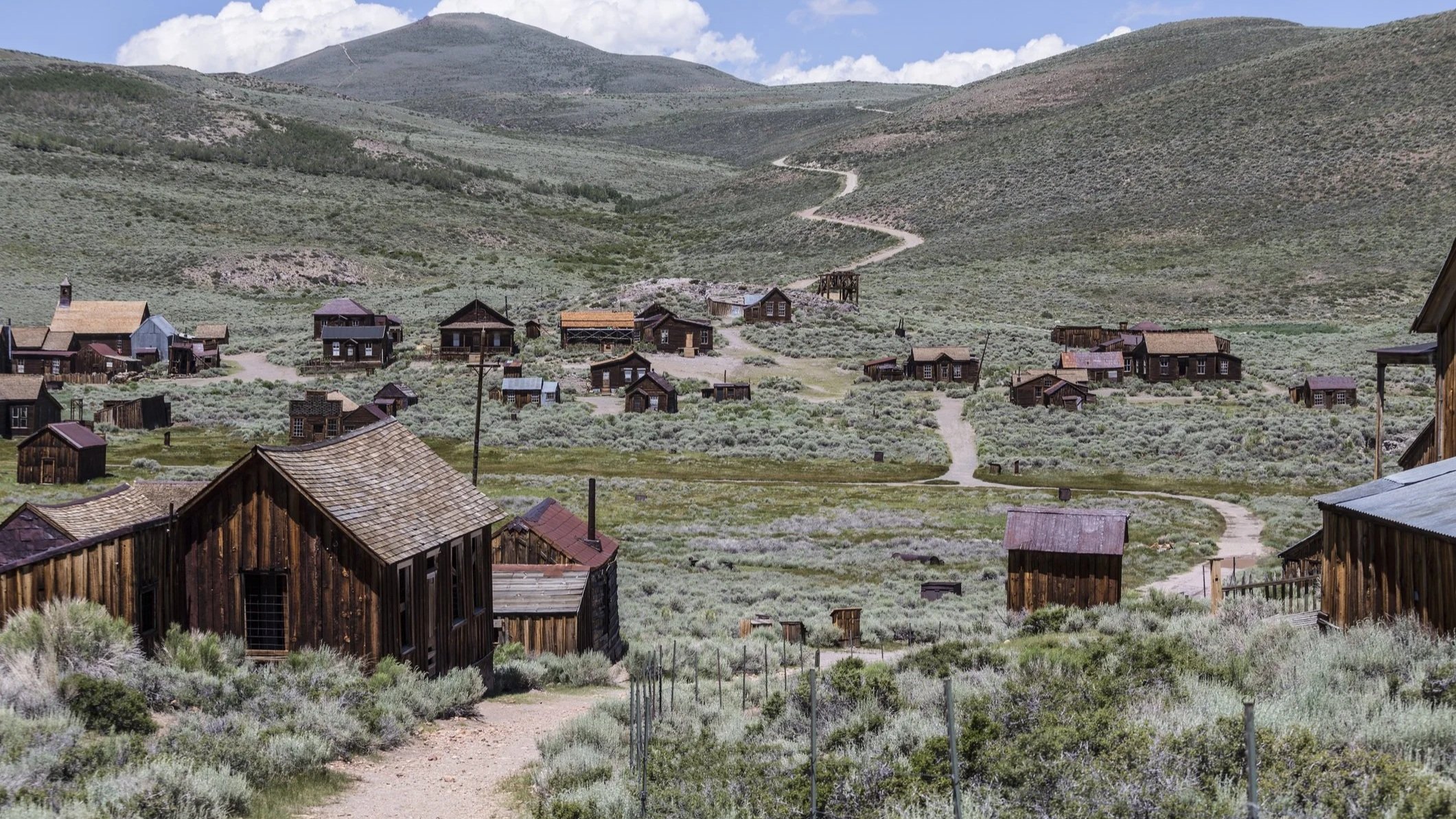
I was washing down the last bite of a very good hamburger with a diet soda when a special weather statement came on the TV above the bar. WINTER WEATHER WARNING read the banner. The announcer cut in over a generic sitcom that had been playing, predicting freezing rain and sleet, and black ice forming on Interstate 80 from Rawlins to Cheyenne by midnight.

Emily’s Birthday
Mrs. Kowalski released the first butterflies in June, the week school let out. I was sitting on our front porch doing nothing when I saw them—fifty, maybe more—lifting out of her backyard in an orange-and-black cloud. They scattered across Ridgewood Drive, dipping and rising in the heat. One landed on our mailbox. Another got caught in the Hendersons' sprinkler next door.
Kenforth's Baptism
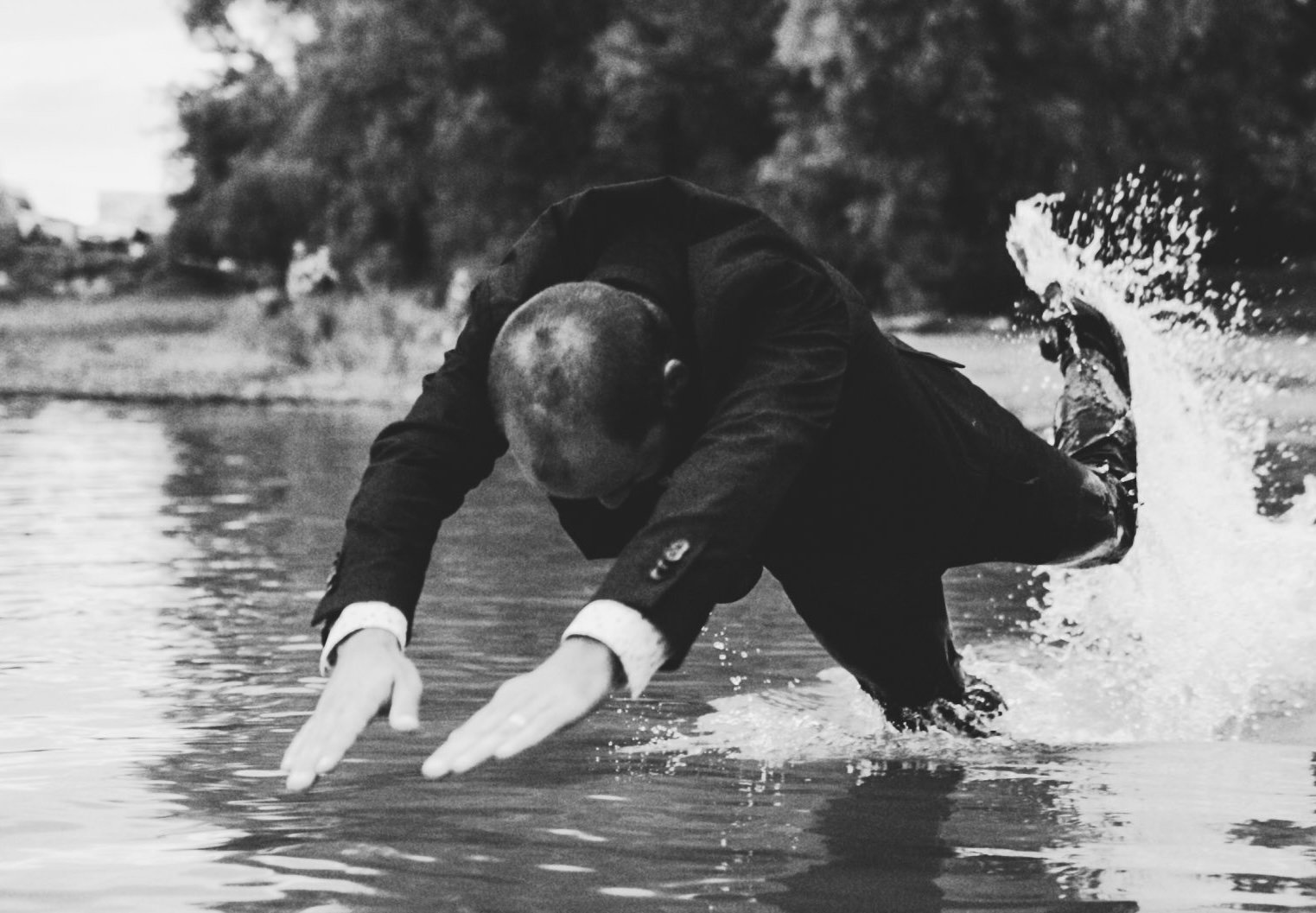
My brother Kenforth's second baptism occurred on a sunny spring morning when the air was warm but the creek still cold, and it wouldn't have happened at all if he had just trusted me. “There is no money in Pentecostals,” is what I said, my exact words. “Nor Baptists either. Don’t waste our time.”
Baggage
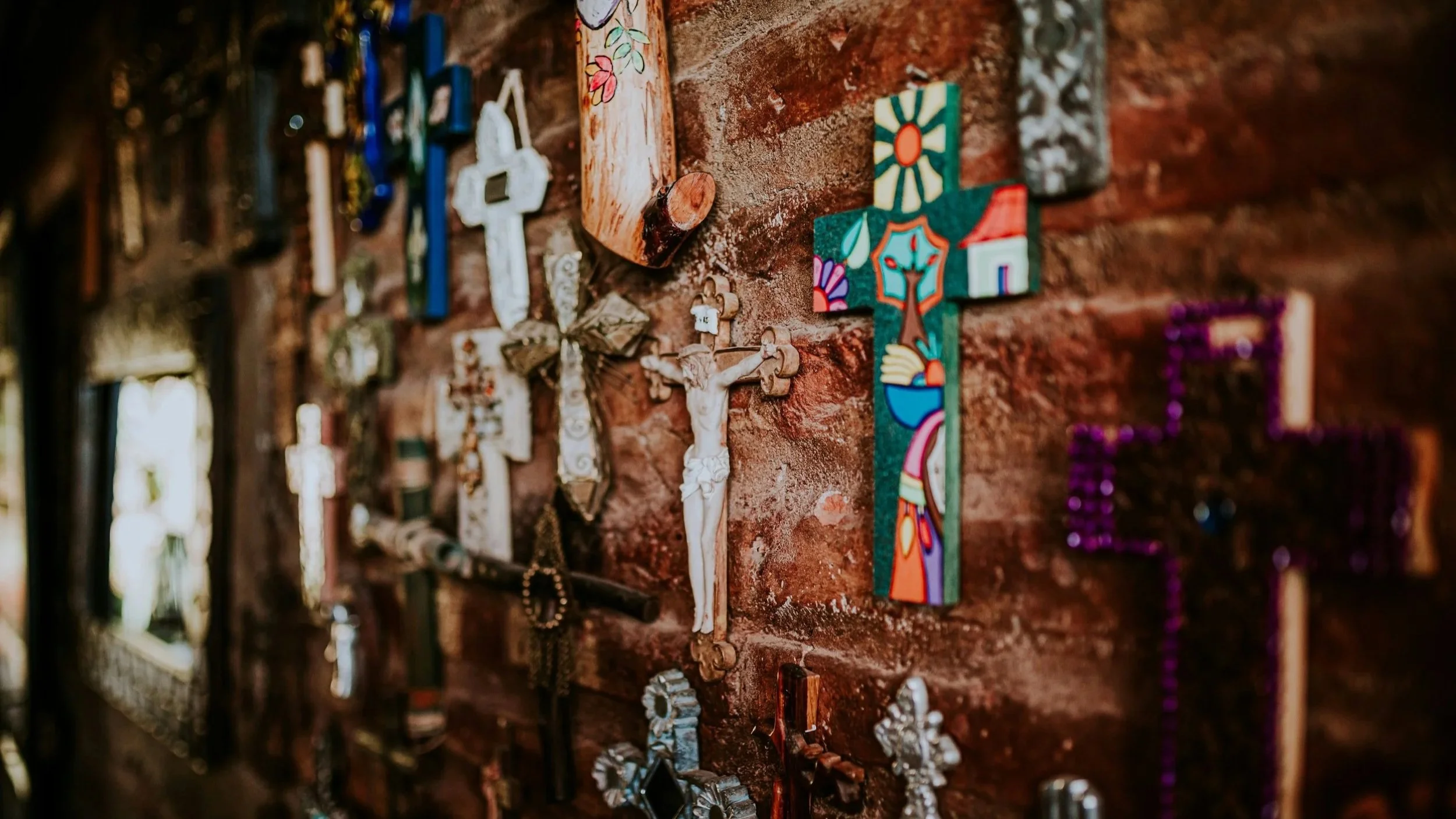
The first thing I did was remove the crucifixes. There were beautiful ones, the blue Murano glass etched with vines adorned with a silvery Jesus, and the brightly colored, hand-painted pinewood cross from El Salvador that featured half the face of Mother Mary radiating Christian love. I couldn’t imagine my mom Alma buying either of them. They must have been gifts in exchange for donations she’d made to groups that kept pregnant teenagers from aborting their babies. There were scary crucifixes, too. Jesus with concave ribs and stigmata on oxidized metal with a ghostly resonance. These were more mom’s style. I used to say they were from her “sinners in the hands of an angry God” collection.
Gyotaku
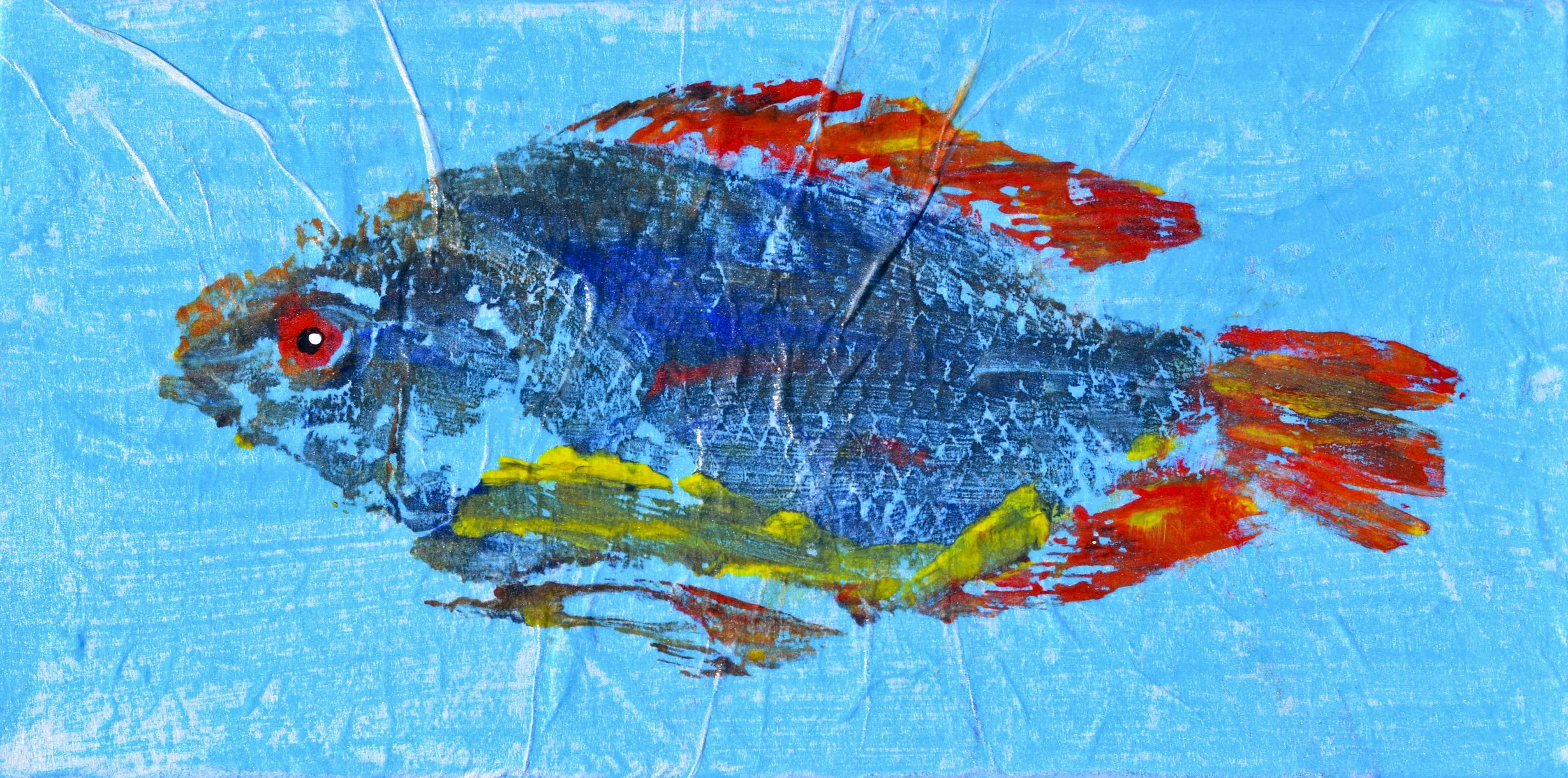
My father papered the walls of his studio in crisp white washi, covered in schools of Gyotaku: ink prints of fish he’d caught throughout his career. I probe the paper like I’m noodling for a bite until I fumble on the light switch. The LEDs mimic natural light–my father would accept no less. He demanded his works be displayed bathed in sunlight. They usually are, I suppose, though an overpriced sushi restaurant or a software developer’s beach house probably isn’t what he had in mind. In the last month, all those pieces have been resold for ten times the original price. Even these walls are likely worth hundreds of thousands, now. My father was a much better businessman than I thought, if it’s true what they all say. If he meant to die.
The Digital Familiar
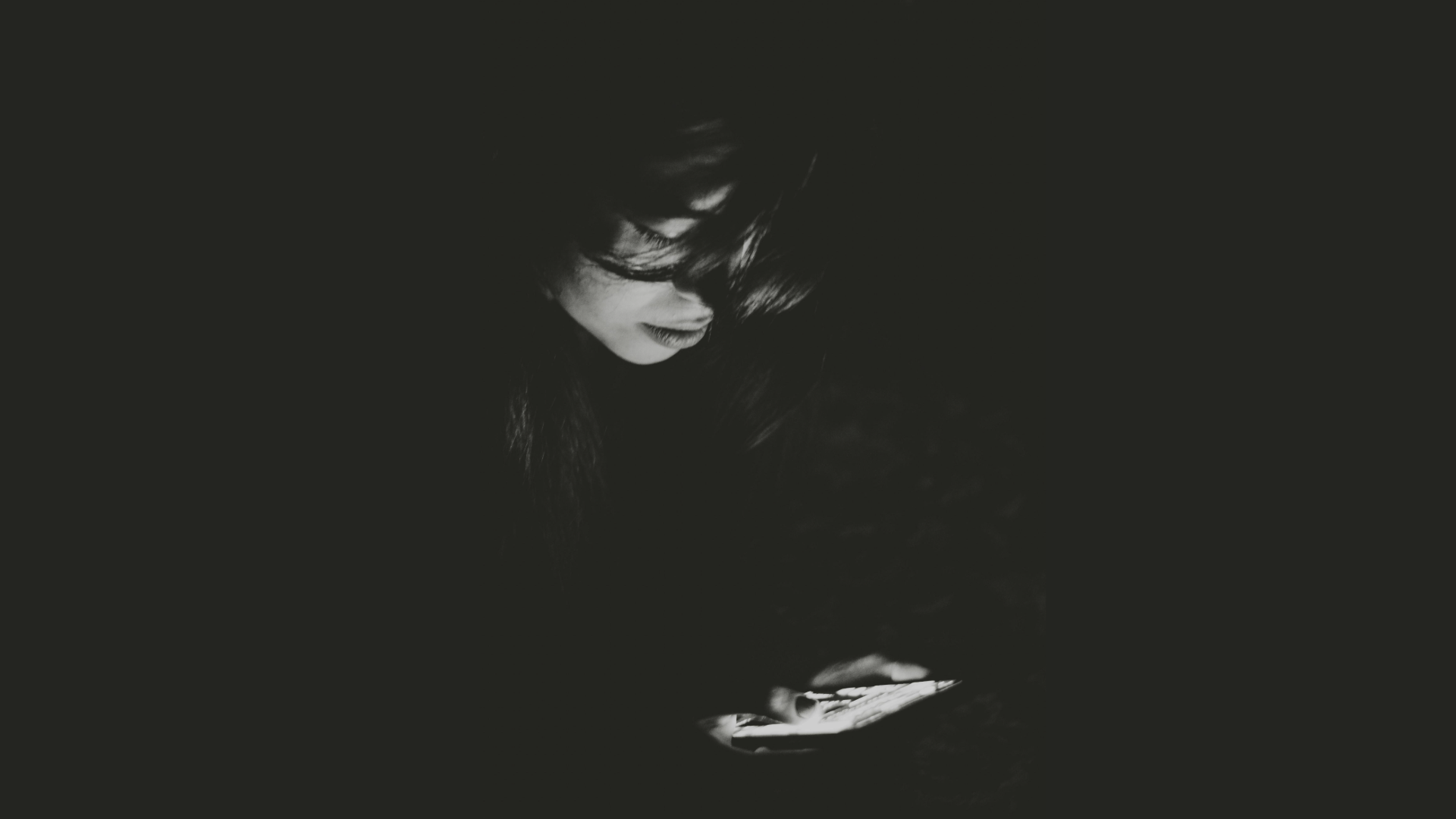
Sylvie’s world existed in muted blues and greys, mirroring the screen she clutched like a lifeline. She was fourteen, lonely and keenly aware of the space around her that no one chose to fill. Her bedroom, a sanctuary of dust motes and charging cables, was where her true self resided, hidden from the echoing halls of her high school. She didn’t just feel unseen; she felt fundamentally misunderstood, as if the entire social dynamic of the school was a complex language she simply wasn’t programmed to speak. She was a silent observer, always on the periphery, watching over the life she craved, a ghost moving through hallways thick with connections between everyone else.

Do You Remember Hamish O'Malley?
When I first met my friend Fay at Opal Island’s small elementary school, she was one of three students (including myself) in grade three who would be fast-tracked to grade five over the following year. She and I would end up virtually “skipping” a grade, a practice that I gather is no longer considered wise. Certainly we ended up being significantly younger than our classmates when the process was complete. But how we loved those years at Opal Island New Community School, OINCS, before we left the island each day for the larger world of Kalatin Intermediate Centennial School, KICS. Ya gotta getcher oinks to get yer kicks, as we used to say.

Running Against the Shadow
The studio lights burned bright, but the air felt heavy, thick with the weight of a story she was tired of telling. The anchor, a woman known for her steady composure, sat rigid behind the desk, jaw clenched so tightly her words trembled at the edges. When the red “ON AIR” light blinked to life, her voice carried a controlled fury, low at first, but sharp like a blade drawn over stone. “Good evening,” she began, though nothing about her tone felt like evening warmth. “Tonight, Kenya has lost yet another woman, another daughter, another champion, to the hands of the man she once called husband.”
Bila
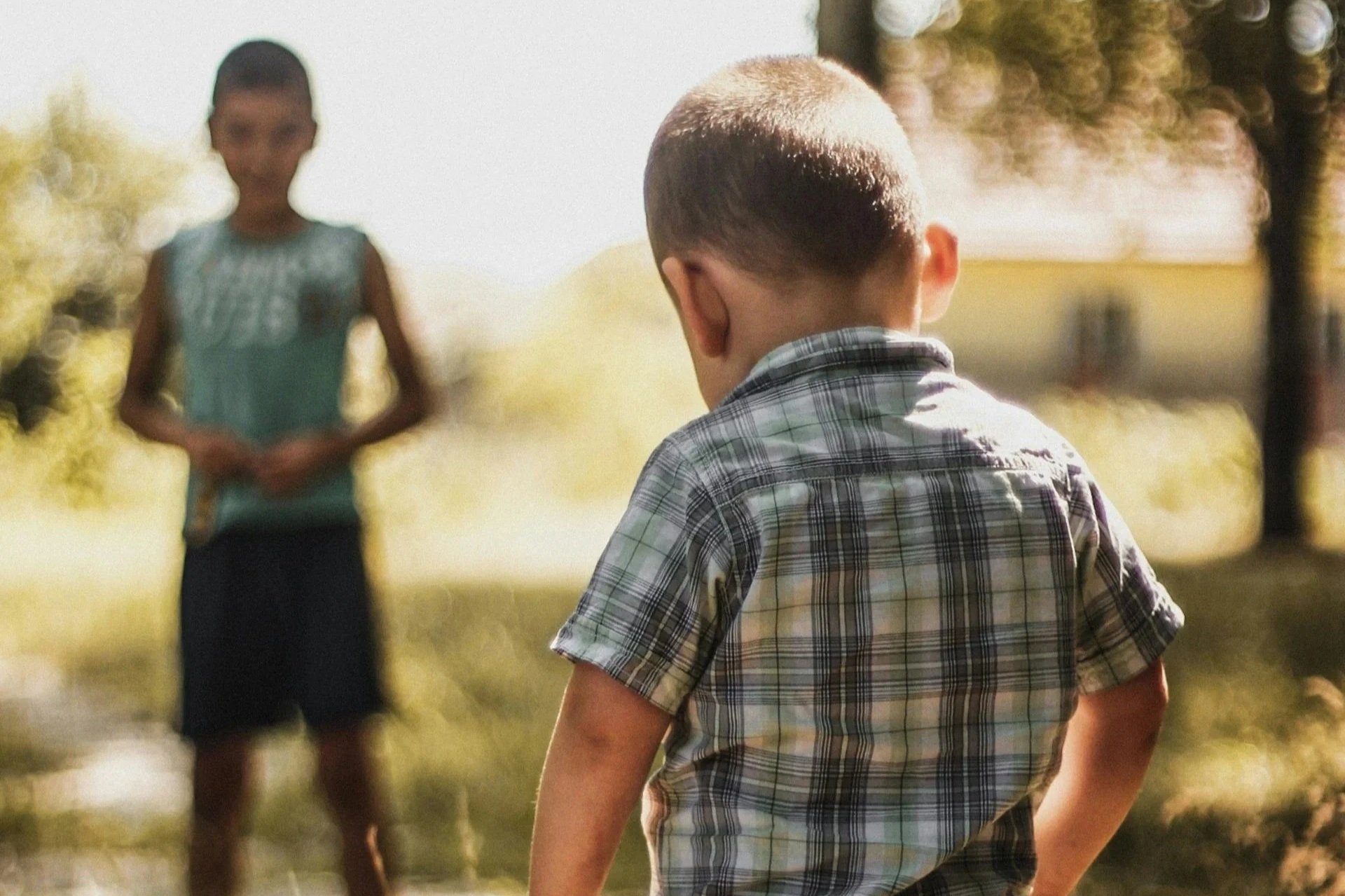
It is after we try the charts with the stars, the timeouts, the “ignore and isolate” strategy, that we tell Sila about our other son, Bila. Bila, we say, is our first son. He’s your brother. My brother? Yes. He lives in the backyard now. In the hedges. And he can never come inside. Why can’t he come inside, Sila wants to know. Well honey, we say, he was so bad, just a bad boy. We made him sleep outside until he straightened up.

Minding Yourself
Three stops before yours, a telepathic flare-up comes on fast, like a stream-of-consciousness flash flood you can’t escape in this train car. Immediately you regret skipping your usual afternoon coffee. Without it, everything on everyone’s mind comes rushing into yours, the inner lives of other passengers now impinging on your own, making your consciousness a mess of their thoughts—mental images in rapid succession like a montage by an auteur gone mad during post-production, this deluge accompanied by emotions surging and throbbing through the chatter of overlapping quotidian monologues.

The Last Detail
It started with the grass clippings. I’d just finished mowing the front yard. True, the rows lacked the zigzag symmetry of the adjacent lawns, and the edges were a bit on the shaggy side—I hadn’t yet invested in one of those trimmer gizmos—but I was nonetheless pleased with my accomplishment.

Nepo Baby
Nepo Baby can’t find her sunglasses. She’s driving to an audition, swerving down the 101 in her brand new Bentley, which her father bought her last week. It’s golden hour, selfie hour. This is her favorite hour. It turns her moss-green eyes into an evergreen world. It means more likes, which means more engagement, which means more sponsors.
The Pantry
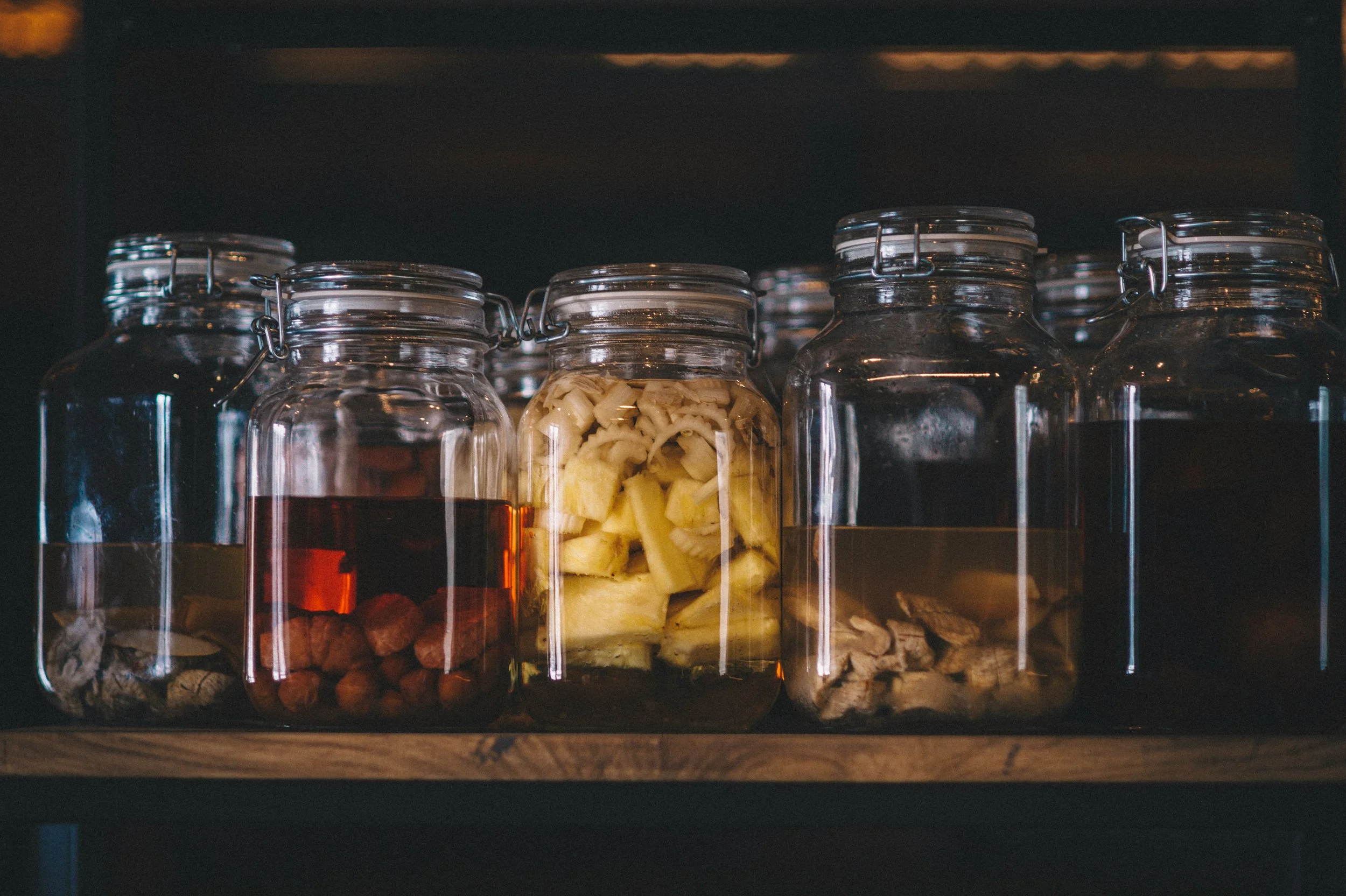
Emily carefully set the last jar on the shelf, watching the collagen-thick bone broth quiver in the pantry’s dim light. She ran her fingers along each neatly labeled jar; bone broth in beef and chicken, green beans and red tomatoes like Christmas decorations. Some of the women in the Canning Club used jars they traded or bought at the ReUse Center, but that meant they weren’t uniform. The uniformity was key. It allowed her to plan, form straight lines on all her shelves, know what she had without worrying whether she was missing a jar that might be stashed behind the others.
The Train to Union Station
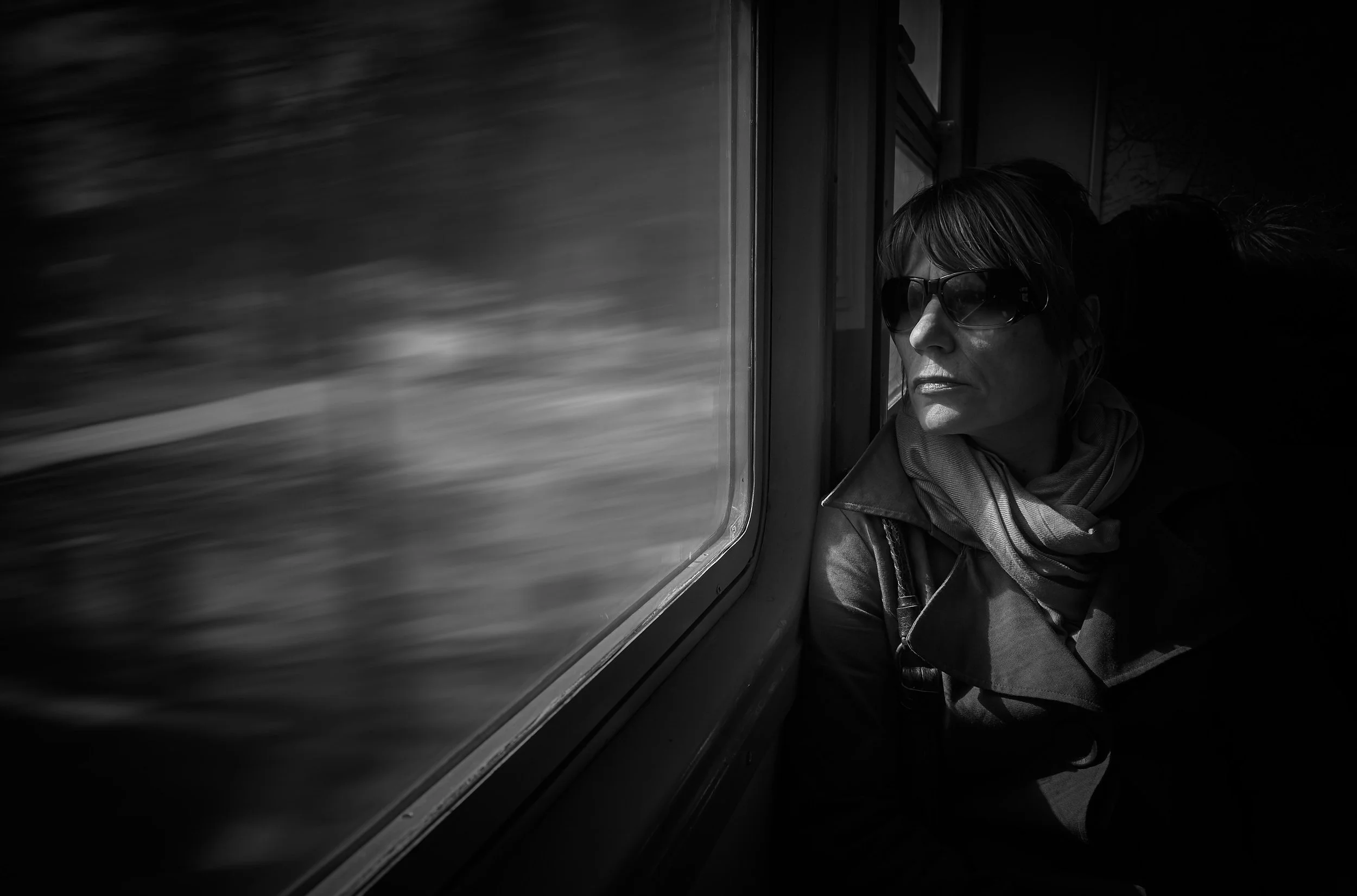
Esther had rarely traveled more than ten miles from her home in Waterloo, Indiana, so when the Amtrak to Chicago groaned and lurched forward, her insides lurched with it. She let her purse thump to the floor and stared at the head of the young man in front of her, as a seasick woman might focus on the horizon.